3D Layered Deer Christmas Cut File Review
As a designer who has spent years navigating the intersection of digital files and physical textiles, I approach every new asset with a critical eye. The market is flooded with generic patterns, but finding a design that truly translates from screen to stitch requires more than just a pretty preview. Recently, I examined the 3D Layered DEER CHRISTMAS Cut File, a resource marketed primarily as a laser cutting template. While its primary category is Laser Cutting, my focus today is on how this specific aesthetic translates into the world of machine embroidery and handmade product creation. If you are an Etsy seller or a small shop owner looking to expand your holiday collection, understanding the practical application of this file is essential before you commit to production.
The First Impression: Visual Weight and Holiday Mood
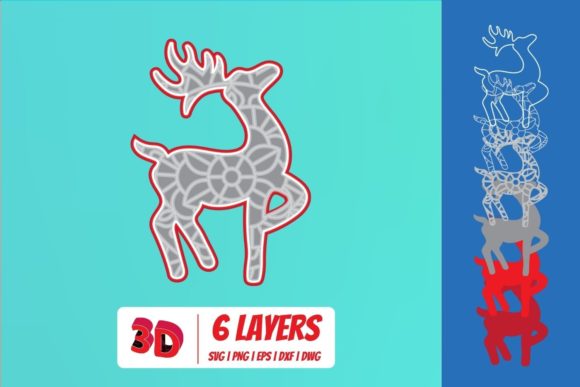
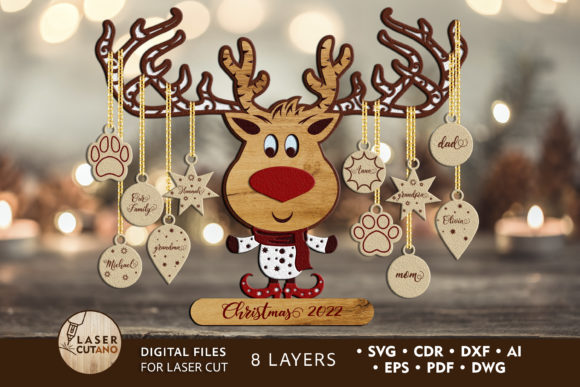
At first glance, the 3D Layered DEER CHRISTMAS Cut File presents a bold, geometric interpretation of the classic winter motif. The design relies heavily on its multilayer layout to create depth, a technique that mimics the look of stacked wood or felt. For an embroidery designer, this immediately suggests a project that benefits from high-contrast thread colors and distinct separation between elements. The mood is undeniably festive, capturing the essence of the Winter Christmas season without relying on overly intricate details that often get lost in stitching.
However, because this is fundamentally a cut file, the lines are clean and sharp. When translating this to an embroidery file, one must be mindful of how those sharp angles will render. In a real-life scenario, imagine preparing a custom embroidered tote bag for a local craft fair. The layered deer silhouette offers a strong graphic presence that stands out against canvas. It feels substantial and modern, moving away from the traditional, flowy floral deer designs we see every December. This visual personality makes it an excellent candidate for custom apparel where a statement piece is required rather than a subtle accent.
Translating Layers to Stitches: Practical Application
The core challenge with the 3D Layered DEER CHRISTMAS Cut File lies in its "layered" nature. In laser cutting, layers are physical pieces stacked on top of one another. In embroidery, we must simulate this effect using fill stitch density and color blocking. If you attempt to use this design for a sweatshirt embroidery project, you will want to ensure that each layer of the deer is defined by a different thread color or stitch type. A satin stitch border around the inner layers can effectively mimic the edge of a cut piece, adding definition that prevents the design from looking flat.
I recently considered using a similar layered concept for a set of personalized kitchen towels. The stitch density becomes a critical factor here. Because the design is composed of multiple overlapping shapes, areas where layers converge can become dense. On a thick terry cloth towel, this might not be an issue, but on a lighter fabric like a baby onesie, the weight of the thread could cause puckering. As a reviewer, I would advise testing the machine embroidery design on scrap fabric first. Check how the needle penetrates the material at the points where the deer's antlers overlap with its body. If the density is too high, the fabric may warp, ruining the professional finish of your finished product.
Best Use Cases for Small Business Owners
For the creative entrepreneur, the versatility of the 3D Layered DEER CHRISTMAS Cut File is its greatest asset, provided it is adapted correctly. This design shines when used for larger format projects. Think about creating an embroidered patch for a holiday-themed hat or jacket. The bold lines allow for a clear silhouette even when viewed from a distance. Similarly, a tote bag design featuring this deer can serve as a standalone statement piece for a boutique brand. The graphic quality ensures that the image remains recognizable even if the stitching isn't perfectly tight, which is a common concern for hobbyists working with older machines.
This file also works exceptionally well for holiday gifts that require a touch of whimsy. Imagine a pillow cover for a nursery where the deer is stitched in soft pastels rather than traditional reds and greens. The multilayer layout allows for creativity in color placement, letting you customize the look for each client. For an Etsy seller, offering this level of personalization can significantly increase the perceived value of your items. Customers appreciate when a handmade product feels unique, and the ability to manipulate the layers of this design gives you that flexibility.
Cautions and Technical Considerations
Despite its potential, there are scenarios where the 3D Layered DEER CHRISTMAS Cut File should be used with caution. The design is not ideal for very small hoop sizes. If you try to shrink this complex, layered image to fit a 4x4 inch hoop, the details will likely blur together. The delicate points of the antlers and the separation between layers require space to breathe. Attempting to stitch this on a curved surface, such as the front panel of a cap, can also lead to registration issues where the layers do not align perfectly, resulting in a messy appearance.
Fabric choice is equally important. Avoid using this design on highly textured fabrics like heavy corduroy or loose knits unless you are prepared to use a heavy-duty stabilizer. The texture of the fabric can interfere with the clean lines necessary to define the layers. Furthermore, if you are working with dark fabric, the contrast between the layers must be carefully planned. A light-colored fill stitch on a dark background works well, but if the layers are close in tone, the 3D effect will be lost. Always review your thread colors in a printable mockup before committing to the actual stitching.
Designer Notes for Commercial Success
Before integrating the 3D Layered DEER CHRISTMAS Cut File into your commercial workflow, there are a few final checks to perform. First, confirm the licensing terms. Since this is a digital asset, ensure you have the right to sell finished goods made from the design. Many digital product sellers offer personal use licenses only, so verify that your business model aligns with the terms of use. Second, test the design in black and white mockups to check the balance of the composition. Sometimes, a design looks perfect in color but lacks structural integrity when stripped down to its outlines.
Finally, remember that while this file originates as a Laser Cutting template, its adaptation into an embroidery project requires skill. Do not simply digitize the DXF file as-is; take the time to adjust the pull compensation and underlay stitches to suit the specific fabric you are using. By taking these steps, you ensure that your commercial embroidery projects maintain a high standard of quality. Whether you are making a single personalized gift or a batch of inventory for your shop, the 3D Layered DEER CHRISTMAS Cut File offers a solid foundation for a standout holiday collection, provided you respect its technical requirements.