3D Layered Polar Bear Card: A Designer's Review
As a designer who has spent years navigating the intersection of digital graphics and physical textiles, I approach every new asset with a critical eye. When I first opened the file for the 3D Layered Polar Bear Card, my initial thought was about its potential as a hybrid craft project. While the product description explicitly categorizes this under Crafts and Graphics intended for electronic cutting machines like Cricut or Silhouette, the visual structure offers a fascinating opportunity for embroidery designers looking to elevate their handmade products. The concept of layering is not just a paper craft technique; it is a fundamental principle in high-end textile design that creates depth, shadow, and dimension.
First Impressions: Visual Depth and Design Personality
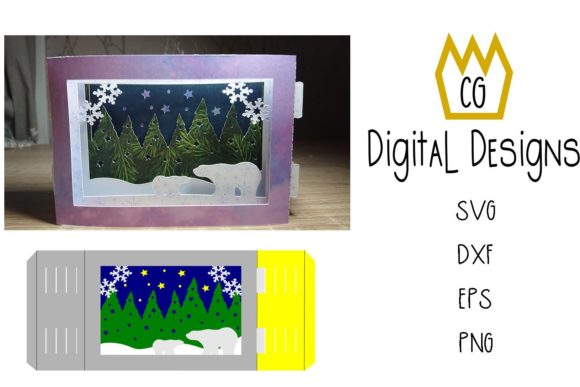
The mood created by the 3D Layered Polar Bear Card is immediately cozy yet sophisticated. The four-layer construction suggests a silhouette that pops off the surface, a quality that translates beautifully when we think about how thread sits on fabric. In the world of machine embroidery design, flat fills can sometimes feel lifeless, but a design that mimics layering invites us to use varied stitch types to achieve a similar effect. The polar bear theme is timeless, evoking winter holidays, nursery decor, and nature-inspired apparel. For an Etsy seller or a boutique owner, this kind of imagery signals warmth and care, which are essential traits for selling personalized gifts.
However, the transition from a cut-file graphic to an embroidered application requires careful consideration. The sharp lines and distinct separation of layers in the original digital download mean that if you were to adapt this into an embroidery file, you would need to focus heavily on satin stitches for the outlines and dense fill stitches for the inner sections to maintain that 3D illusion. The visual personality is strong enough to stand alone on a tote bag or serve as a focal point on a sweatshirt, but it demands precision to avoid looking cluttered.
Real-World Application: From Digital File to Finished Product
Let me walk you through a real scenario where I considered using this design concept for a client project. Imagine a small shop product line featuring custom holiday sweaters. The client wanted something that felt premium, not just a standard printed logo. If I were adapting the 3D Layered Polar Bear Card aesthetic for sweatshirt embroidery, I would treat each of the four layers as a separate color block. This approach allows for incredible texture play. By using a slightly raised fill stitch for the base layer and a crisp satin stitch for the top layer, the bear would appear to have actual volume.
This technique works exceptionally well for custom apparel where the customer expects durability and a tactile experience. Think about a tote bag design made from heavy canvas. The sturdy fabric supports the weight of multiple layers of thread, allowing the design to hold its shape even after frequent washing. Similarly, for baby embroidery projects, such as a soft blanket or a onesie, the rounded shapes of the polar bear are gentle and appealing. Parents love items that look professionally finished, and the layered effect adds a level of craftsmanship that distinguishes your work from mass-produced goods.
For the craft business owner, this design also opens doors for creating embroidered patches. Instead of cutting the layers out of cardstock, you could embroider them onto a felt backing and then appliqué them onto jackets or hats. This hybrid method combines the precision of the Graphics file with the durability of thread. It creates a unique handmade product that feels exclusive. Whether you are preparing a holiday gift or stocking shelves for a seasonal sale, the versatility of this polar bear motif ensures it fits into various collections without feeling out of place.
Navigating Challenges: Fabric, Hoop Size, and Detail
Despite its appeal, there are specific situations where the 3D Layered Polar Bear Card concept needs to be handled with caution. As a reviewer, I must emphasize that complexity does not always equal better results. If you attempt to replicate this multi-layered look on thin or stretchy fabric, the tension required to hold the layers together might distort the garment. Always test the design on scrap fabric first. Check the stitch density carefully; too much thread in one area can cause puckering, especially on delicate materials used for tea towels or light summer shirts.
The hoop size is another critical factor. Because the design relies on distinct layers to create depth, cramming it into a small hoop can compromise the clarity of the details. You want enough room to maneuver the needle without distorting the fabric. If you are working on curved surfaces like caps or hats, the transfer of a 3D layered design becomes tricky. The curvature can flatten the visual depth, making the layers blend together rather than pop. In these cases, simplifying the design or focusing on the strongest outline might yield a more professional result.
Fabric texture also plays a role. On highly textured fabrics, such as thick wool or nubby cotton, the fine details of the polar bear's face or paws might get lost. The thread colors you choose must contrast sufficiently with the background to ensure visibility. Dark fabrics require a different strategy than light ones; you may need to adjust the stabilizer choice to prevent show-through and ensure the design lays flat. For commercial embroidery projects, consistency is key. If one patch looks perfect and the next looks distorted due to fabric variance, it damages your brand reputation.
Designer Notes for Success and Commercial Viability
Before integrating the 3D Layered Polar Bear Card into your workflow, take the time to review the technical requirements. Since this is primarily a digital download for cutting machines, you will need to verify if an embroidery file version exists or if you plan to digitize it yourself. If you are digitizing, pay close attention to the small details. Tiny lettering or intricate corners often fail during stitching, so simplify those areas to ensure a clean finish. Test the design in black and white mockups first to evaluate the contrast and layout before committing to expensive thread.
For those planning to sell finished items, confirm the licensing terms. Just because you bought a design asset does not automatically grant you the right to sell the resulting finished product or the digital file itself. Many small shop owners overlook this, leading to legal issues later. Ensure you have the rights to use the design for personalized products and commercial merchandise. Additionally, consider how this design affects your overall brand consistency. Does the whimsical nature of a polar bear fit your existing catalog? Or does it open up a new avenue for nursery decor and winter-themed collections?
In conclusion, the 3D Layered Polar Bear Card is a versatile asset that, when adapted correctly, can significantly enhance the visual appeal and perceived value of your embroidery project. It encourages designers to think beyond flat stitching and embrace techniques that add dimension and character. Whether you are creating a personalized gift for a friend or launching a new line of small shop merchandise, the key lies in understanding the limitations of your materials and the capabilities of your machine. With proper preparation, the right stabilizer, and a keen eye for detail, this design can become a standout piece in your portfolio, driving buyer engagement and trust in your craftsmanship.