Reviewing Beehive 3D Layered for Real Embroidery
As a designer who has spent years stitching everything from delicate baby garments to heavy-duty workwear, I approach every new machine embroidery design with a mix of excitement and skepticism. The market is flooded with digital assets that look stunning on a screen but fall apart under the needle. Today, I am evaluating the Beehive 3D Layered design, a file categorized under Shapes and offered as a 3D SVG. My goal isn't just to tell you what it looks like, but to help you understand how it behaves when translated into thread, stabilizer, and fabric.
First Impressions: Mood and Visual Weight
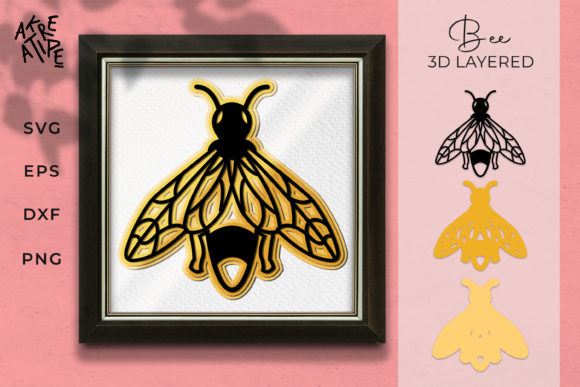
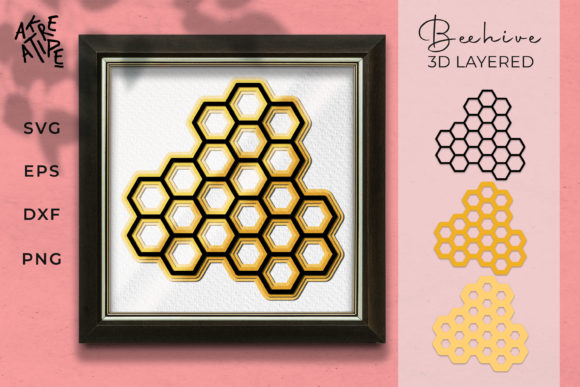
When I first opened the preview for Beehive 3D Layered, the immediate takeaway was its structural integrity. Unlike many flat, single-layer icons that can feel cheap on high-end products, this design leans heavily into depth. The "3D" aspect suggests a layered construction, which is crucial for creating a tactile finish that customers love to touch. The mood is industrious yet cozy—a perfect balance for home decor or personalized gifts.
The layout is compact without feeling cramped. In the world of embroidery files, negative space is just as important as the stitch itself. This design respects that balance, allowing the eye to rest while still delivering a strong visual impact. The color palette shown in the preview is vibrant, but as the product description notes, these are merely examples. The true value here lies in your ability to customize the thread colors to match your specific brand identity or client request.
Testing the Design on Custom Apparel
To truly judge a design, I have to imagine it on a finished product. Let's say I am preparing a batch of custom tote bags for a local craft fair. Tote bags are tricky; they often have textured canvas that can swallow up fine details. However, the bold lines of Beehive 3D Layered seem robust enough to handle a medium-weight cotton canvas. If I were to use a dark olive green bag, I could switch the yellow layers to a creamy white and the black outlines to a deep charcoal, creating a sophisticated contrast that screams "boutique quality."
Consider a different scenario: a holiday gift run. Imagine a sweatshirt embroidered with this beehive motif for a teacher appreciation event. The sweatshirt embroidery would need to withstand frequent washing. Because this design relies on layering rather than intricate, tiny fill patterns, it is less likely to pucker or distort over time. The stitch density appears moderate, which is ideal for stretchy fabrics where too much thread tension can cause the garment to warp.
Navigating Fabric Challenges and Placement
While Beehive 3D Layered is versatile, it is not a magic bullet for every surface. As an experienced embroiderer, I always advise caution when working with thin or highly textured fabrics. If you attempt this on a silk scarf or a very sheer blouse, the weight of the 3D layers might overwhelm the material, causing sagging or visible puckering around the hoop area. In those cases, using a tear-away stabilizer and reducing the size slightly would be essential.
Curved surfaces present another challenge. Placing this design on a baseball cap requires careful consideration. The bottom curve of the beehive shape needs to align perfectly with the cap's brim to avoid awkward gaps or overlapping stitches. For caps and hats, I recommend testing the design on a scrap piece of similar curved foam first to ensure the layers nest correctly without bunching up.
Furthermore, if you are aiming for tiny lettering alongside this graphic, proceed with extreme caution. While the beehive shape stands well on its own, adding small text below it on a dark background can lead to legibility issues. Stick to bold fonts or keep the text separate from the main graphic to maintain clarity.
Maximizing Value for Small Business Owners
For the Etsy seller or the owner of a handmade shop, the perceived value of your product is everything. A design like Beehive 3D Layered elevates a simple item into a premium offering. When a customer sees a layered, dimensional logo on a pillow cover or an apron, they immediately recognize the craftsmanship involved. This perception allows you to charge a higher price point for your finished product.
This design also works exceptionally well for personalized gifts. Think about a nursery theme. A soft, pastel version of the beehive on a blanket or a onesie adds a whimsical touch without being overwhelming. Parents love items that feel unique and thoughtfully designed. By adjusting the thread colors to match a room's decor, you create a cohesive look that resonates deeply with buyers looking for boutique branding consistency.
Practical Designer Notes for Success
Before you commit to selling items featuring Beehive 3D Layered, there are critical steps you must take to ensure professional results. First, never skip the test run. Stitch the design on a scrap piece of the exact fabric you plan to use. This allows you to check the hoop size requirements and verify that the layers are sitting flush against one another.
Secondly, review the stitch density closely. Sometimes, designs labeled as 3D require specific underlay settings to prevent shifting. If you notice any gaps between the layers during your test, adjust your machine settings or add a bit more stabilizer. Also, consider how the design looks in black and white printable mockups. This helps you visualize the contrast before investing in expensive thread and materials.
Finally, always confirm the licensing terms. While the description mentions it is perfect for gifts and decorations, you must verify if you are allowed to sell the physical items you create. For commercial embroidery, clear rights are non-negotiable. Ensure you have the permission to use this digital embroidery file for your business inventory.
Final Verdict on Commercial Viability
In my professional opinion, Beehive 3D Layered is a solid asset for any craft business portfolio. It bridges the gap between playful and professional, making it suitable for everything from holiday embroidery projects to everyday custom apparel. Its strength lies in its adaptability; whether you are creating a rugged patch for a denim jacket or a delicate accent for a kitchen towel, the design holds its ground.
However, success depends on your execution. Treat this embroidery project with the attention to detail it deserves. Choose the right fabric, stabilize properly, and play with your color combinations until they pop. If you do, Beehive 3D Layered will become a staple in your collection, driving sales and building trust with your customers through high-quality, visually appealing work.